
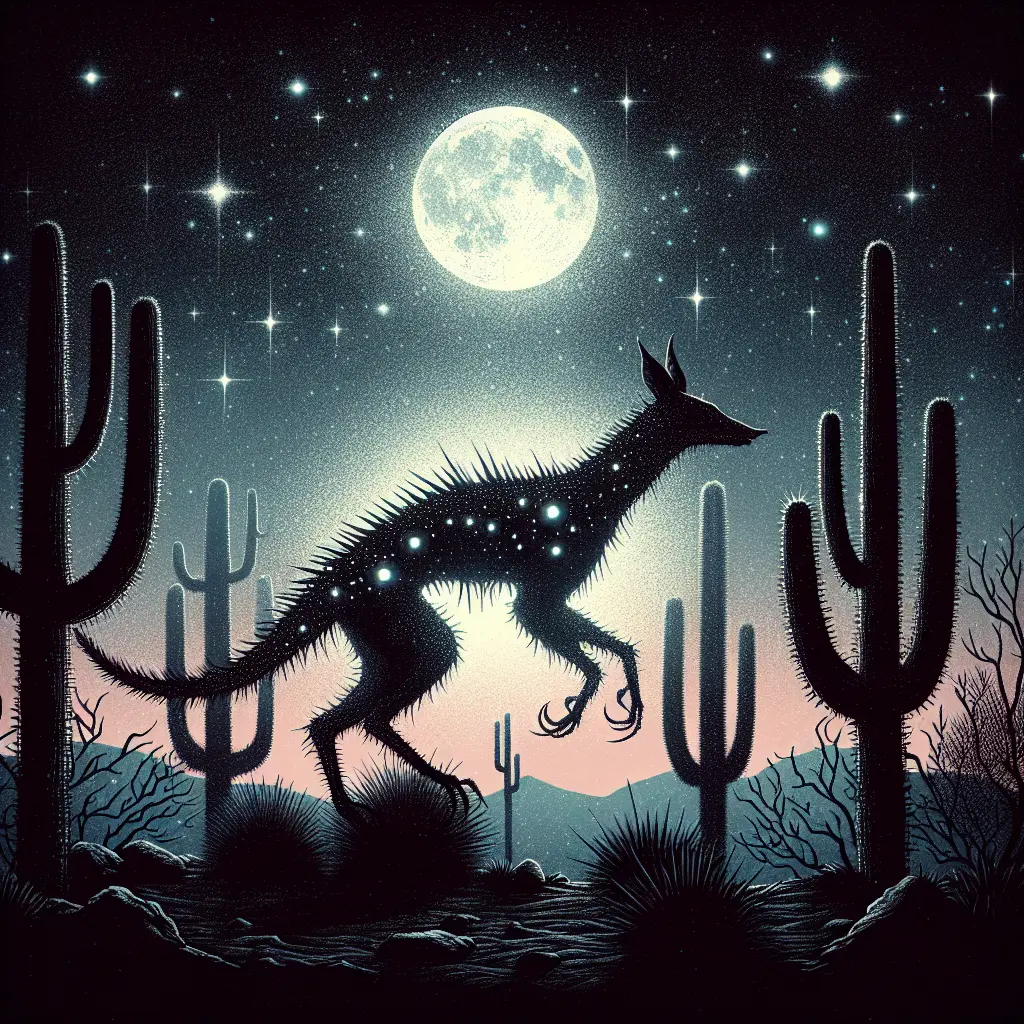
For decades, the legend of the chupacabra has captivated imaginations, weaving a tapestry of intrigue and speculation across the globe. This enigmatic creature, often described as a blood-sucking beast, straddles the delicate line between myth and reality. As tales of the chupacabra have circulated through communities, the mystery has only deepened with each new sighting.
From Latin America to rural corners of the United States, chupacabra sightings have sparked a whirlwind of investigations and research. Enthusiasts and skeptics alike have examined evidence, seeking to unravel the truth behind this elusive creature.
The chupacabra legend has woven itself into the rich tapestry of global folklore, casting a shadowy allure that intrigues and mystifies those who dare to explore its depths. But as with any captivating tale, the question remains: Is the chupacabra myth a mere figment of human imagination, or does it hold a kernel of truth?
Sightings span continents, creating a patchwork of narratives that contribute to the creature's mystique. At the Great Florida Bigfoot Conference, attendees shared accounts that blurred the lines between reality and folklore.
The intersection between folklore and reality is where the mystery truly comes alive. Much like the Chicago Mothman, another cryptid steeped in legend, the chupacabra thrives in eerie narratives.
Chupacabra Theories and Cryptozoology
Cryptozoology enthusiasts have long pursued the truth, dissecting evidence and proposing theories that challenge conventional wisdom. Some suggest reports may stem from misidentified animals or hoaxes perpetuated by overactive imaginations.
The debate mirrors discussions at events like the Great Florida Bigfoot Conference, where researchers gather to share findings and theories. The conference acts as a melting pot for enthusiasts and skeptics alike.
Media plays an instrumental role in shaping public perceptions of cryptids like the chupacabra. Films such as "Alien: Romulus," which adopt a back-to-basics approach to horror (review), draw on themes of fear and the unknown.
To fully understand the legend, we must examine its origins—a journey deep into cultural narratives passed down through generations. The myth is a product of its environment, shaped by local beliefs and fears reflecting broader societal anxieties.
Investigating Chupacabra Origins
For example, indigenous tales surrounding Ogopogo offer parallels to chupacabra stories, each rooted in cultural symbolism and collective memory (source). By exploring these connections, we gain a deeper appreciation for how folklore evolves over time.
In this exploration of the legend, several critical points emerged, highlighting the captivating complexity of this mysterious creature.
As we ponder its place in both folklore and potential reality, it becomes clear that our quest for understanding is as much about exploring cultural consciousness as it is about the creature itself.
This ongoing investigation invites us to balance skepticism with wonder, pushing boundaries of knowledge and imagination.



Leave a Comment